An Underwater World Embroidery Design Review
My First Impression: A Whimsical Canvas for Thread
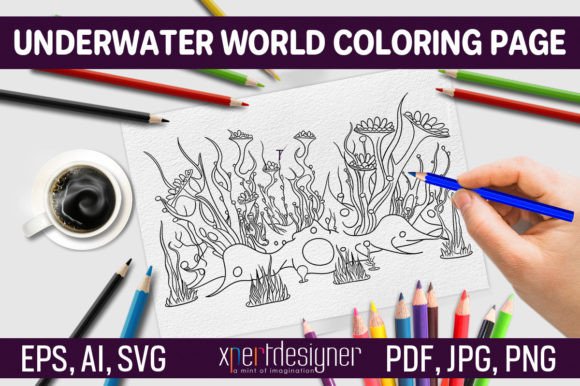
When I first opened Underwater World Coloring Page, I wasn't just looking at a graphic. I was visualizing it transformed with needle and thread. The hand-drawn style immediately stood out—it feels organic and friendly, not rigid or overly digital. The layout, with its flowing seaweed, playful fish, and gentle bubbles, creates a mood of calm creativity. It’s not a hyper-realistic seascape; it’s a charming, imaginative scene that begs for personalization. This isn’t a design that shouts; it whispers, making it perfect for projects where you want to evoke a sense of handmade warmth rather than technical precision.
The level of detail is thoughtful. There are clear outlines and distinct areas, which is crucial for us in machine embroidery. It tells me that translating this from a digital embroidery file to a stitched piece should be straightforward, without too many tiny, frustrating elements that might get lost in stitch density. The visual personality is lighthearted, which makes me think instantly of baby embroidery, nursery decor, or gifts meant to bring a smile.
Where This Design Thrives in Real Projects
Let’s talk application. I’m picturing a specific scenario: a client wants a unique custom embroidered tote bag for a teacher’s gift. The theme is “thank you for being an anchor.” This Underwater World Coloring Page would be perfect. The central elements could be embroidered in bright, cheerful thread colors on the bag’s front, creating a one-of-a-kind handmade product with real sentimental value. The design’s scale feels right for a tote—not too small to be unnoticed, not too large to be overwhelming.
More broadly, this design performs beautifully across a range of embroidery projects. For custom apparel like sweatshirts or t-shirts, it offers a more artistic alternative to typical graphic logos. As a embroidered patch, it would be charming and easy to apply. I can see it on apron pockets, pillow covers in a beach-themed room, or even subtly stitched onto tea towels for a boutique kitchen line. For baby clothes, it’s inherently safe and sweet—no sharp angles or aggressive motifs. In a craft business, this file is a versatile design asset.
For Etsy sellers and digital product sellers, the provided file formats like SVG and PNG are gold. They allow for clean printable mockups in your listings, showing customers exactly how the embroidered version might look, which builds tremendous customer trust. A well-executed embroidery of this design on your actual product photos elevates your entire shop’s professionalism. It screams that you care about design integrity.
Considerations Before You Hoop the Fabric
Now, for the practical judgment. While the Underwater World Coloring Page is adaptable, there are places to proceed with caution. On very small hoop sizes, some of the finer details, like the smallest bubbles or fish outlines, might become too dense. You’d need to simplify or potentially omit them.
Textured fabrics like thick linens or nubby cottons can sometimes obscure the softer lines of a hand-drawn design. Stretchy fabric requires extra attention to stabilizer to keep the shapes precise. Embroidering this on dark fabric would necessitate a bold choice of thread colors for contrast—pastels might disappear. And for items like caps with curved surfaces, the layout’s width might need adjustment to fit the curved seam area without distortion.
Products that will undergo frequent washing, like kids’ wear or kitchen items, benefit from a robust stitch construction. I’d lean towards using fill stitches for the larger shapes here rather than delicate running stitches for longevity.
A Designer’s Practical Checklist
- Always test the design on scrap fabric first, using the same material as your final project.
- Check thread color contrast against your background fabric—do a quick stitch-out of a key section.
- Review stitch density in your embroidery software; adjust if areas seem too packed for your chosen fabric weight.
- Confirm hoop size compatibility. Does the design need to be resized, and will that affect clarity?
- Inspect small details like the tips of seaweed or tiny curves; ensure they will stitch cleanly.
- Test it in black and white mockups to see the form without color influence.
- Compare light and dark fabric backgrounds in your mind or software preview to plan your thread palette.
- For any commercial embroidery or selling finished items, confirm licensing before you proceed. The product description mentions it’s for your project, but always verify the specifics for resale.
The Final Stitch: Value Beyond the Digital File
What does choosing a design like Underwater World Coloring Page ultimately mean for your work? It boosts visual appeal through its unique character. Its stitching clarity, due to that hand-drawn simplicity, leads to a satisfying final product that looks intentional, not messy. This directly increases the perceived product value for your customers or gift recipients.
For a small shop product, using such a distinctive design enhances your brand consistency if whimsical, nature-inspired themes are your niche. Its giftability is high—it feels personal and thoughtful. In a marketplace crowded with generic designs, this kind of piece fosters better buyer engagement; people connect with stories, and this design has a gentle narrative.
In my view, this Underwater World Coloring Page is a strong candidate for embroidery designers and makers looking to inject authentic charm into their portfolio. It’s not just a coloring page; it’s a blueprint for a story told in thread. Whether for a holiday embroidery gift, a line of boutique branding for a beachside shop, or a simple personalized gift for a loved one, its success lies in how you translate its friendly lines into tangible craft. Approach it with a practical eye, prepare your materials well, and it will reward you with a finished product that feels both professional and delightfully human.