A Bellflower Line Art Design Review for Embroidery Projects
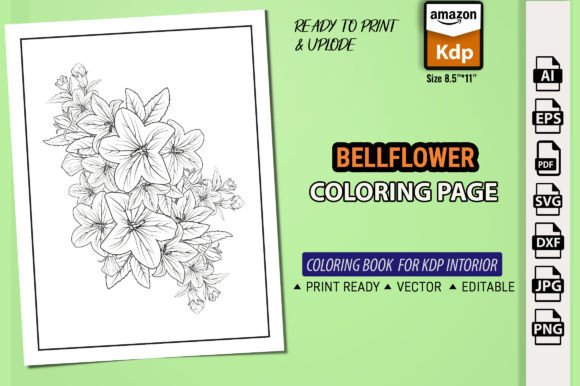
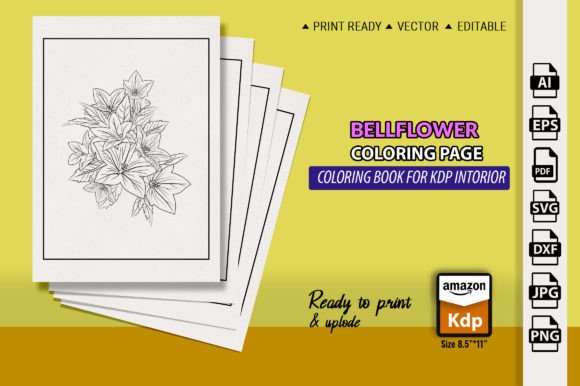
When I first opened the Bellflower Line Art Coloring Pages Book, I wasn’t just looking at a digital graphic. I was considering it as a potential embroidery design asset for my upcoming projects. My mind immediately shifted from viewing it as a coloring page to evaluating its lines, shapes, and negative space as potential stitch paths. This is the perspective I bring to every digital file I consider for my work: how will it translate from screen to thread?
The Immediate Mood and Project Personality
The bellflower theme creates a gentle, botanical mood. The line art style, with its clean, open shapes, feels fresh and approachable—not overly formal or rigid. This visual personality is perfect for projects aimed at a softer, perhaps more personal, market. I pictured it instantly on a linen pillow cover for a boutique home goods shop or as a delicate accent on a baby item like a blanket or romper. The design doesn’t shout; it invites. For an Etsy seller or maker focusing on heartfelt gifts, this is a strong starting point.
Translating Lines into Stitches: A Practical Scenario
Let’s walk through a real case. I’m preparing a custom embroidered tote bag as a wedding gift for a couple who loves gardening. I need a design that is elegant but not fussy, recognizable but not a cliché. I pull up the Bellflower design. The flowing lines of the flowers and stems offer a clear path for either a running stitch or a subtle satin stitch outline. The open areas within the leaves and petals mean I won’t be dealing with heavy, dense fill stitch areas that can stiffen a bag’s fabric. This is crucial for a functional item.
I imagine stitching it in a single, soft green thread on a natural canvas bag. The result would be understated, handmade, and perfectly thematic. The customer’s reaction? I believe it would be one of pleasant recognition—a simple, beautiful motif that feels considered and special, elevating the perceived value of the finished product.
Where This Design Excels in Embroidery Applications
The clarity of the line work makes the Bellflower Line Art Coloring Pages Book surprisingly versatile for embroidery. Here are the projects where I see it performing beautifully:
- Custom apparel like t-shirts and sweatshirts where a lighter stitch density is preferable for comfort.
- Home decor items such as tea towels, apron bibs, and simple pillow covers.
- Personalized gifts for holidays, birthdays, or baby welcomes.
- As a focal point or repeated motif for small business merchandise in a botanical-themed shop.
- Converted into an embroidered patch for a hat or jacket.
- Used in printable mockups to showcase a digital embroidery file listing.
The key here is the design’s adaptability. Because it’s built from clean lines, you can scale it for different hoop sizes without losing fundamental clarity, provided the file’s vector nature supports this. It lends a consistent, professional look across a product line, aiding brand consistency for a craft business.
Caution Areas: Where to Test and Adjust
No design is universally perfect. With this bellflower art, success depends on mindful application. Here are situations where you should proceed with extra care:
- Very small hoop sizes. While scalable, intricate corners in the line art might become too tight for clean stitches if reduced excessively.
- Textured or stretchy fabrics like some knits. The continuous lines require good stabilizer to prevent distortion.
- Dark fabric backgrounds. The open, airy feel of the design relies on contrast. On dark fabrics, you’ll need to plan thread colors carefully—perhaps using a bright white or pastel—to maintain that gentle mood.
- Curved surfaces like caps. The longer, flowing stem lines might need slight digitizing adjustment to flow smoothly over a curved seam.
- Products needing frequent washing. Lighter stitch schemes can be durable, but you must test stitch integrity and thread type on scrap fabric first.
The theme itself—bellflowers—is wonderfully niche. It avoids being generic, which builds customer trust and recognition. Someone looking for a bellflower motif will be delighted to find it. But for a mass-market product aiming for the broadest appeal, you might pair it with other botanical elements.
Essential Designer Notes Before You Stitch
Before you commit this design to a client project or your shop inventory, do your due diligence. These steps separate a hobby experiment from a professional embroidery project.
- Always test on scrap fabric first. Use the same material and stabilizer you plan for the final product. Check how the lines translate, especially at any joins or fine points.
- Review thread color contrast. Print a simple black-and-white outline of the design and imagine it on your intended fabric color. Does it pop softly, or does it disappear?
- Confirm the technical details. The product description mentions vector files and a specific size. As an embroidery designer, you must verify the actual embroidery file formats, compatibility with your machine, and whether any conversion is needed. Never assume.
- Check licensing clearly. Is this asset for personal use only, or does it allow for commercial embroidery and selling finished items? This is critical for Etsy sellers and small shop product creators.
- Inspect for any overly dense areas. Even in line art, if lines are very close together, stitch density can become high in a small area. This can affect fabric drape and hoop stability.
Thinking through these points ensures your final handmade product looks intentional and high-quality. It turns a downloadable graphic into a reliable design asset.
The Final Impression: Value Beyond the Download
Ultimately, the Bellflower Line Art Coloring Pages Book offers more than just a graphic. For a creative entrepreneur, it provides a clear, thematic foundation. Its strength is in its simplicity and mood. It won’t do the digitizing work for you—you’ll need to translate those lines into stitch types and paths—but it gives you a beautiful blueprint.
When stitched well on an appropriate product, it enhances visual appeal through clean craftsmanship. It supports giftability by feeling personal and specific. And for your business, it contributes to a professionalism that comes from using coherent, well-composed designs. My recommendation is to see it not as a coloring page, but as a potential stitch guide waiting for your thread. Approach it with a practical, testing mindset, and it could become a lovely, recurring element in your embroidery portfolio.