A Halloween Maze Embroidery Design for Creative Projects
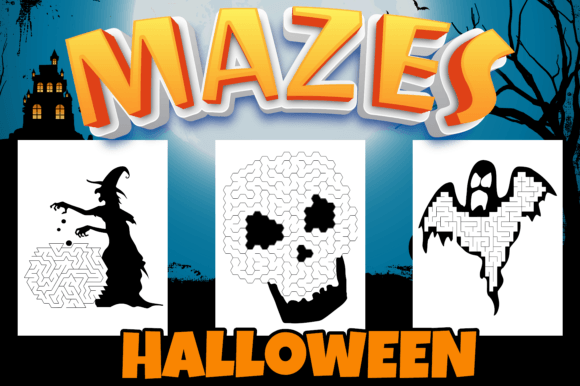
As a designer who often turns digital art into stitched reality, my first question about any new embroidery file is simple: will it translate? When I looked at the Halloween Maze Activities collection, my immediate impression was one of playful, structured charm. It’s not a spooky, dense horror scene; it’s a friendly, puzzle-like set of icons—pumpkins, cats, witches, ghosts—arranged with a clear, open-line aesthetic. This suggests a design personality that is more about cheerful engagement than intimidating detail. For an embroidery project, that’s a promising starting point.
The Mood It Creates on Fabric
Imagine you’re preparing a custom order for a Halloween-themed tote bag. The client wants something festive but not overly dramatic, something a child might enjoy spotting on their parent’s bag. This design, with its maze pathways integrated into the shapes, creates a mood of interactive fun. Stitched out, the satin stitch borders of a pumpkin maze or the running stitch lines of a ghost’s labyrinth would feel graphic and clean. It evokes a nostalgic, activity-book vibe, perfect for holiday embroidery on items meant to be both decorative and lightly engaging. The visual personality is orderly and approachable, which makes it a natural fit for baby embroidery on a little one’s sweatshirt or a playful patch on a backpack.
Where This Design Finds Its Best Home
In my practice, I’ve found that certain designs excel on specific products. The Halloween Maze Activities design, with its likely moderate detail level and distinct shapes, would shine on surfaces that benefit from a clear, central graphic. Think of a crisp white apron for a Halloween bake sale, with a black cat maze stitched in black and orange thread. Or a pillow cover for a seasonal couch—the larger scale allows the maze paths to be readable, adding a subtle interactive element to home decor. For small shop products like embroidered patches, these maze icons are self-contained and recognizable, making them easy to sell as individual iron-on patches for crafters.
It’s also a strong candidate for personalized gifts. A kitchen towel with a witch-hat maze becomes a quirky, functional holiday gift. The design’s structure supports brand consistency too; if you run a craft business focused on educational or children’s products, using this across a line of baby clothes, tote bags, and nursery decor items creates a cohesive, professional look. The finished product feels intentional and designed, not randomly selected, which builds customer trust and enhances the handmade presentation.
Navigating Real Stitching Considerations
Now, let’s talk about the practical embroidery situations. The open, maze-line nature of this embroidery file suggests areas of lower stitch density compared to a fully filled illustration. This is generally good news for textured fabrics like sweatshirts or blankets, where dense fills can become overly stiff. However, those same open lines and potential small corners in the maze paths demand attention. On stretchy fabric like a t-shirt, a good stabilizer is non-negotiable to keep those lines from distorting.
One of the most common questions from my clients is about size. Without knowing the exact hoop size specifications from the provider, I would advise testing. For a design like this, aiming for a medium scale—perhaps between 4x4 and 6x6 inches—would likely preserve the clarity of the maze pathways. Stitching it too small on a cap or a baby bib could turn those paths into a muddled, tight cluster. Conversely, scaling it very large on a tote bag design might make the lines feel sparse unless the fill stitch areas are substantial.
Careful Use on Challenging Backgrounds
Dark fabric is a classic test for any design’s appeal. The Halloween themes here—pumpkins, black cats—often imply orange, white, and black thread. On a dark navy or black sweatshirt, a pumpkin maze in orange and yellow might pop beautifully, but a ghost maze relying on white thread alone could lose definition unless you use a bright, high-contrast white. Always test the design on scrap fabric first, and I strongly recommend checking thread color contrast in both digital mockups and physical samples. For items like baby clothes that need frequent washing, you also want to ensure the stitch structure is robust enough not to fray in tiny corners.
Another note: curved surfaces. Embroidering a maze onto a curved cap brim can compress the design horizontally. The symmetrical nature of a pumpkin might handle this well, but a more horizontally elongated ghost shape could look pinched. This is where a designer’s judgment comes in—selecting the maze icon that best fits the product’s geometry.
Turning a Digital File into Customer Value
When I evaluate a design for commercial embroidery or my own craft business products, I think about the end-user’s perception. The Halloween Maze Activities design, by its very theme and playful intent, boosts giftability and recognition. A parent sees a witch-hat maze on a child’s sweater and immediately understands the holiday fun. That instant recognition translates to quicker buyer engagement in an Etsy listing or at a craft fair. It adds a layer of perceived value—it’s not just a picture; it’s a little puzzle, a conversation starter.
This also affects professionalism. Using a cohesive set of 20 maze designs, as this package offers, allows a seller to create a themed collection. You could offer a series of custom apparel items each featuring a different maze, which positions your small shop as a curated, thoughtful brand. For digital product sellers offering the files themselves, this variety is a key asset. However, a crucial step is to confirm licensing before selling finished items or digital products. The description mentions Kdp Interiors and Graphics, so understanding the permitted uses for this specific file is essential.
Essential Designer Notes Before You Hoop
- Test on scrap fabric first, preferably a similar type to your final project fabric.
- Review stitch density in your machine software; adjust if necessary for your specific fabric weight.
- Inspect small details like the maze pathway corners; ensure they won’t become thread traps.
- Test it in black and white mockups to gauge its visual impact on both light and dark backgrounds.
- Compare light and dark fabric backgrounds physically if possible; thread choice can make or break the design.
- Use proper stabilizer tailored to your fabric—cutaway for stretchy knits, tear-away for stable woven fabrics.
- Check whether the design works for both personal and commercial projects based on the provided license terms.
In the end, the Halloween Maze Activities embroidery design presents a unique opportunity. It’s more than a seasonal icon; it’s an interactive graphic that can add a layer of playful sophistication to your embroidery project. By approaching it with a practical eye—mindful of scale, fabric, and contrast—you can transform this digital asset into a stitched product that delights both you as the maker and your eventual customer. Whether it’s for a one-off personalized gift or a line of small shop merchandise, its cheerful, structured charm is worth exploring in thread.