A Designer's Review: Evaluating a Motivational Coloring Page for Embroidery
When a new design lands in my library, my first question isn’t just “is it pretty?” It’s “where will this live in the real world?” As someone who creates embroidered products daily—for clients, for my small shop, for gifts—I judge a design by its practical potential. Today, I’m looking at the Motivational Coloring Page Design from the point of view of an embroidery artist ready to stitch.
The First Glance: Mood and Canvas
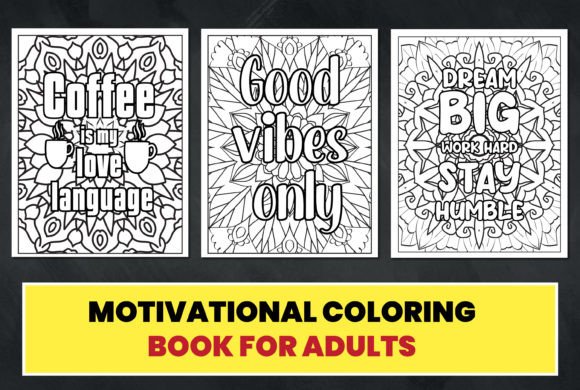
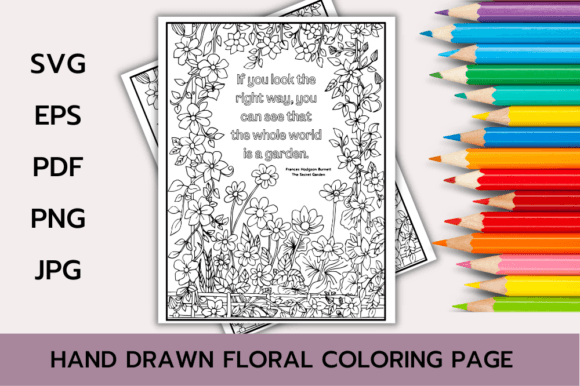
Opening the Motivational Coloring Page Design, the immediate impression is one of calm intention. As a graphics file in the Coloring Pages Amp category, its structure is built for line art. This isn't a dense, filled illustration; it's a framework. The layout feels open, the lines are clear paths, and the theme leans into thoughtful, positive messaging. Its visual personality is quiet and guiding, which makes it feel less like a loud statement and more like a personal affirmation. This tells me it belongs on projects where the message is intimate—a gift, a personal keepsake, or an item meant for daily reflection.
Where This Design Finds Its Stitched Home
In my hands, this design transforms from a digital graphics asset into a potential embroidery file. I immediately picture it on a linen tote bag for a friend starting a new venture. The open lines would translate beautifully into a combination of running stitch for the outlines and selective satin stitch for emphasis on key words or shapes. On a soft baby blanket, it could become a gentle, inspirational motif. For custom apparel like a simple sweatshirt, it offers a less aggressive alternative to bold graphics, perfect for a mindful craft business brand.
Its nature as a coloring page means the detail level is intentionally manageable. This is a significant advantage for machine embroidery. There are likely no impossibly tiny corners that would blur under stitch density. It feels like a design that would stitch out cleanly on a variety of hoop sizes, making it versatile for a personalized gift patch or a larger pillow cover centerpiece. I can visualize it working well for holiday embroidery on a kitchen towel—a subtle message of gratitude stitched alongside festive motifs.
Practical Performance on Fabric and Product
Let’s walk through a real scenario. Say I’m preparing an embroidered patch for a client’s apron. They want something uplifting for their bakery staff. Using this Motivational Coloring Page Design, I’d consider how the lines will look after stitching. On a textured canvas apron, I’d need a robust stabilizer to keep those clean lines sharp. The design’s openness means it won’t become a heavy, stiff block of stitches, which is good for layered garments and items needing frequent washing.
For sweatshirt embroidery, the stretchy fabric demands attention. Areas with longer lines would need proper underlay to prevent puckering. Since the design appears to avoid ultra-dense fill areas, this is a promising sign. On dark fabric, the choice of thread colors becomes paramount. Would a bright white or a soft pastel convey the right mood? This is a design that asks for thoughtful color pairing to maximize its visual appeal.
Considerations for Careful Application
Not every project is a perfect fit. For embroidery designers, knowing the limits is as important as seeing the potential. On curved surfaces like caps, any design with very long, continuous lines can present challenges in distortion. I’d examine this design for any single, unbroken elements that might not adapt well to a curved seam. If it includes any tiny lettering, that would require a very small hoop and precise machine settings, which might not be ideal for a beginner.
When thinking of baby embroidery on delicate garments, the overall stitch density is key. A design with too much concentrated stitching can make fabric stiff and uncomfortable. The coloring page structure suggests a lighter touch, which is reassuring. However, on thin fabric like a fine cotton tea towel, even lighter designs need the correct stabilizer to prevent show-through or pulling.
The Impact on Your Business and Your Client
Using a design like this in a small shop product or an Etsy listing affects more than just aesthetics. It influences customer trust and product value. A clean, well-executed embroidery of a motivational message speaks to handmade presentation and care. It feels intentional, which enhances giftability. For a creative entrepreneur, it can contribute to brand consistency if your niche revolves around wellness, mindfulness, or affirmation.
In commercial embroidery projects, such as a run of tote bag designs for a boutique, this design offers a versatile, non-seasonal option. It doesn’t scream “holiday,” so it has longevity on the shelf. Its clarity after stitching, assuming proper technique, contributes directly to professionalism. A blurry or poorly stitched inspirational message undermines the sentiment entirely. Therefore, the design’s inherent clarity is a strong foundation for buyer engagement.
A Designer’s Practical Notes Before Hooping
Before I commit this to a final project, my routine is always the same. Test the design on scrap fabric first. Use the same material you intend for the final product. Check thread color contrast against both light and dark backgrounds—sometimes a design that looks great in a printable mockup needs adjustment in real thread. Review stitch density by looking at the stitch-out; is it too sparse or surprisingly heavy? Confirm hoop size compatibility for your specific machine.
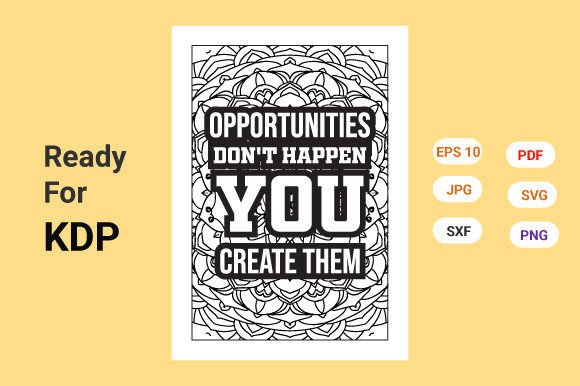
Inspect small details closely after the test run. Are any corners closing up? Are lines distinct? I also test it in black and white mockups to see how it holds up as a pure shape, which is helpful for digital product previews. Crucially, since this Motivational Coloring Page Design is a digital embroidery file from a Graphics source, you must confirm licensing before selling finished items or digital products. The product description notes its readiness for KDP, but for physical finished products, the licensing terms may differ. Always verify.
Finally, consider its use for both personal and commercial projects. Does it scale well? Would a smaller version on a baby clothes tag still be readable? Does a larger version on a blanket retain its impact? The answers from your test stitch-out will guide you to the perfect application—whether it’s a heartfelt wedding gift, a stock item for your craft fair products, or a custom apparel order for a client seeking a daily dose of motivation, stitched with care.