Great Dane Dad: A Designer's Review for Real-World Embroidery
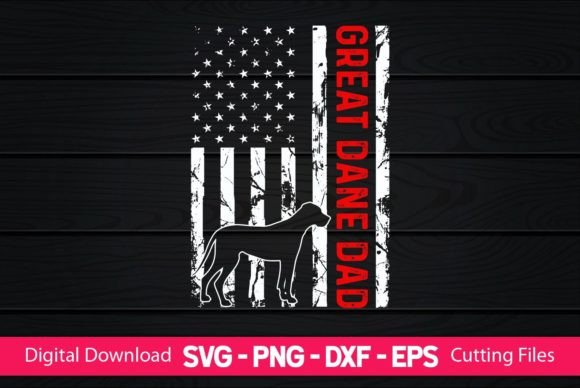
When you’re evaluating a digital design for embroidery, especially one like Great Dane Dad, the first impression is everything. This isn’t about just opening a file; it’s about visualizing stitches, thread colors, and the final product on fabric. My initial take on this Great Dane Dad graphic? It has a distinct, friendly, and slightly masculine charm that leans toward a heartwarming, personalized gift. The theme is clear and relatable—it’s for the proud dog dad, particularly of a large, gentle breed. The layout and shape suggest a solid, central graphic that would translate well into a clean, defined embroidery area. It’s not overly busy, which, from a practical standpoint, means fewer potential issues with dense stitch areas and better clarity when stitched out.
Where This Design Thrives in Your Embroidery Projects
Let’s talk about real application. I immediately pictured this on a custom, embroidered sweatshirt or a sturdy tote bag. The graphic’s personality fits a casual, comfortable apparel item perfectly—something a ‘Great Dane Dad’ would actually wear or use. It would also be a standout on a high-quality apron or a pillow cover for a den or living room. For your small shop merchandise or craft fair products, this design adds value because it’s specific yet endearing. It creates a connection. I can see it working beautifully on a baby item, like a blanket for a nursery where the family dog is a beloved part of the home, making it a unique and sentimental gift.
For commercial embroidery projects or personalized products for your Etsy listings, Great Dane Dad offers a strong visual hook. It’s easily recognizable, which helps with buyer engagement. When embroidered well, it conveys a sense of care and professionalism, boosting customer trust in your handmade presentation. Using it for a holiday gift, like an embroidered tea towel or a cap, feels appropriate because the sentiment is personal without being overly generic.
Considerations for Stitching Success
Now, the practical side. Since this is a digital file for cutting machines, and we’re discussing its use in embroidery, we’re likely considering it for applique or as a guiding graphic for stitch placement. Where you need to be careful is in the translation of details. If any elements of the design involve tiny lettering or intricate corners, those will need careful attention in your embroidery file setup to ensure stitching clarity.
On fabrics, I would avoid using it on very thin or highly stretchy materials without excellent stabilizer, as the design area might need good stability. Dark fabric backgrounds require thoughtful thread color contrast planning—test your colors on scrap fabric first. Embroidering on curved surfaces like caps can be trickier; assess the design’s size and layout to ensure it fits the curved area without distortion. For small hoop sizes, you’ll need to confirm the design can be scaled down appropriately without losing its defining characteristics.
How This Design Impacts Your Craft Business
From a business perspective, using a design like Great Dane Dad affects more than just the stitch count. It influences your brand consistency if you specialize in pet-themed or personalized goods. Its giftability is high—it feels like a custom, one-of-a-kind item, even if you produce several. For your digital product previews or printable mockups, a clean, well-defined graphic like this makes for attractive design assets that sell the idea of the finished product.
Always remember to check the specific licensing terms provided with the digital files for your intended use. Confirm whether it’s cleared for both personal and commercial projects before selling finished embroidered items or incorporating it into your commercial embroidery offerings. This is a crucial step for any professional designer or small business owner.
Essential Designer Notes Before You Hoop the Fabric
Before you run this for a client project, here are my grounded notes. Always test the design on scrap fabric first, ideally the same type you plan to use for the final product. Review the stitch density if you’re converting the graphic into an embroidery file; you want smooth fills without puckering. Inspect any small details in the design to see if they’ll hold up as satin stitches or need to be simplified.
Check thread color contrast meticulously. Compare how the design would look on both light and dark fabric backgrounds, perhaps by creating simple black and white mockups. Use the proper stabilizer for your chosen fabric texture—this is non-negotiable for a clean finish. And for products that will need frequent washing, like sweatshirts or kitchen towels, ensure your embroidery technique is durable, with secure stitches and quality thread.
Ultimately, Great Dane Dad strikes me as a design with solid potential for a range of embroidery projects. It carries a mood that resonates with a specific audience, and when executed with care on the right product, it can elevate a simple item into a cherished piece. Your job as the designer or crafter is to bring that potential to life with thoughtful technique and practical judgment.