A Designer's Take on Five Mandala Coloring Pages for Embroidery
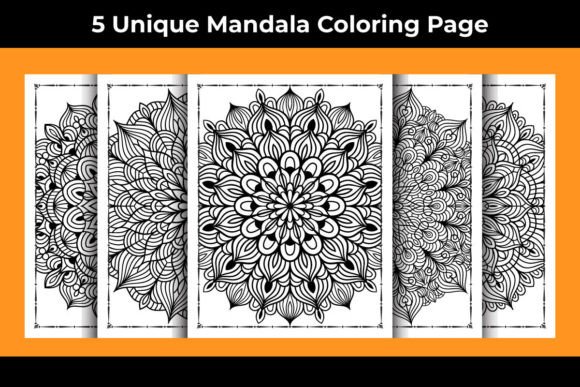
When you're designing for real-world projects, every graphic needs to pass a simple test: how does it translate from screen to stitch? I recently evaluated the 05 Unique Mandala Coloring Page for KDP bundle for exactly that purpose. My goal wasn't just to look at them as graphics; it was to envision them as embroidered motifs on fabric, ready for a client's sweatshirt or a boutique's tote bag.
The First Impression: Balance and Potential
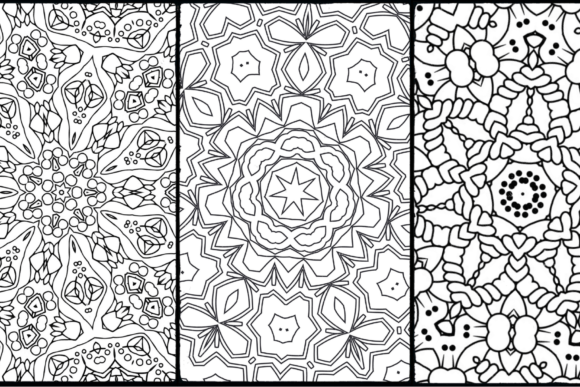
Opening these mandala coloring pages, my immediate thought was about structure. Each design offers a distinct personality—some are more open and geometric, others have a denser, more intricate feel. This variety is a strength. For an embroidery designer, that means choice. You can match the design's mood to the project. A looser, more airy mandala might suit a baby blanket's gentle aesthetic, while a more complex, layered one could become a stunning focal point on an apron or pillow cover for a craft business.
The balance in these layouts is generally good. They aren't overcrowded at the center, which is crucial. A design that's too dense in the middle can become a muddled knot of thread when stitched, especially on textured fabrics. These seem to avoid that, suggesting a thoughtful composition that considers how lines flow, not just how they look on paper.
From Digital Page to Stitched Project: Real Use Cases
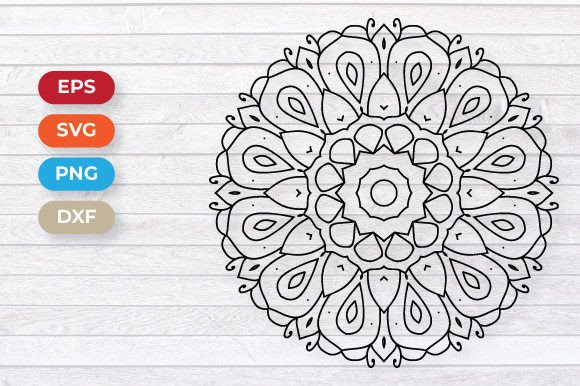
Let's walk through a scenario. I'm preparing a custom embroidered tote bag for a small shop's merchandise. I choose one of the more detailed mandalas from this set. My first consideration is scale. Embroidered on a bag's front panel, this design becomes a handmade signature piece. The symmetry of a mandala lends a sense of calm and craftsmanship, which elevates the product's perceived value. It feels less like a generic graphic and more like a deliberate, artistic addition.
For custom apparel like sweatshirts or t-shirts, these mandalas offer a clean, recognizable style. They fit the trend for mindful, decorative motifs without being overly trendy. Stitched on a cap, however, you need to be careful. The curved surface of a cap can distort perfectly circular elements if the design isn't adapted or hooped correctly. A simpler mandala from this bundle with fewer tiny radiating details would be a safer choice for that curved application.
Think about personalized gifts or holiday embroidery. A mandala embroidered on a kitchen towel or pillow cover becomes a unique, giftable item. Its repetitive pattern feels complete and intentional, which customers associate with quality. For an Etsy seller or creative entrepreneur, that handmade presentation and visual appeal directly impact buyer engagement and trust.
Where Caution is Needed: Practical Design Limitations
No design is perfect for every scenario, and honest evaluation means pointing out where a graphic might struggle. The detail level in some of these mandalas, while beautiful, requires attention in embroidery projects.
On thin or stretchy fabric, like a lightweight t-shirt, a very intricate design with many fine lines could lead to puckering if the stitch density is high. You'd need a robust stabilizer and might consider simplifying the design file before stitching. Similarly, on dark fabric, the clarity of all those interwoven lines depends entirely on your thread color contrast. A light thread on dark denim could look stunning, but a similar-toned thread might lose the definition.
Small hoop sizes are another consideration. If you want to create a small embroidered patch using one of these, the finest details—like the smallest interior petals or dots—might need to be enlarged or even omitted to maintain stitching clarity. Always test a section on scrap fabric first to see if those tiny elements translate into clean satin stitches or fill stitches at your intended size.
Turning Graphics into Commercial Assets
For those using these as design assets for a craft business, like creating digital product previews or printable mockups, the mandala's strong, defined shapes are a benefit. They create clear silhouettes in mockups, which helps customers visualize the final finished product. However, since this product is categorized under Coloring Pages Amp and Graphics, its primary intent is as a coloring page. This means the linework is designed for printing, not necessarily for an embroidery file's specific pathing. You are likely adapting it into a machine embroidery design.
Critical note: The product description focuses on KDP and POD use. It does not specify embroidery formats, licensing for physical goods, or compatibility. Before selling any embroidered patch, baby embroidery, or commercial embroidery project using these graphics, you must confirm licensing. Ensure your use—selling physical items from a digital file—is permitted. This is a fundamental step for professionalism and brand protection.
Final Designer Notes for Your Project
To integrate the 05 Unique Mandala Coloring Page for KDP successfully into your work, follow a practical path.
- Test First: Always stitch a sample on your target fabric, like a scrap of tote bag canvas or sweatshirt material. Check for distortion in the circular shape.
- Check Contrast: View the design in a simple black-and-white mockup. Does the linework hold up? Then, plan your thread colors against your fabric background—light and dark.
- Inspect the Details: Zoom in on the smallest elements in your editing software. Will they become a single, unclear stitch or a clean decorative accent?
- Consider the End Product: Is this for a gift that needs frequent washing? Dense, intricate embroidery might be less durable than a simpler version. Is it for a boutique product where brand consistency matters? The mandala's aesthetic should align with your other offerings.
In essence, these five mandalas are a versatile starting point. They carry a visual personality that can elevate a simple item into something special. But their journey from a coloring page graphic to a stitched, tangible product requires your designer's eye to navigate the practical realities of thread, fabric, and machine. Approach them not as ready-made embroidery files, but as strong compositional blueprints waiting for your skilled translation.