A Designer's Take on Coloring Pages “princes”
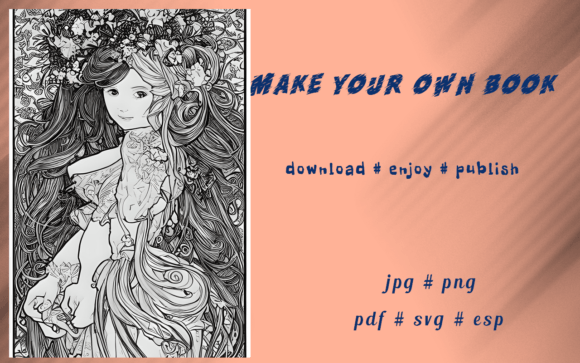
When I opened the zip file for this coloring pages “princes” design, my first thought was, "This would be gorgeous on a baby blanket." It’s not just a graphic; it’s a versatile canvas waiting for embroidery thread. With six formats included, the promise here is flexibility, and that’s a crucial starting point for any creative project.
The First Impression: A Mood of Whimsical Charm
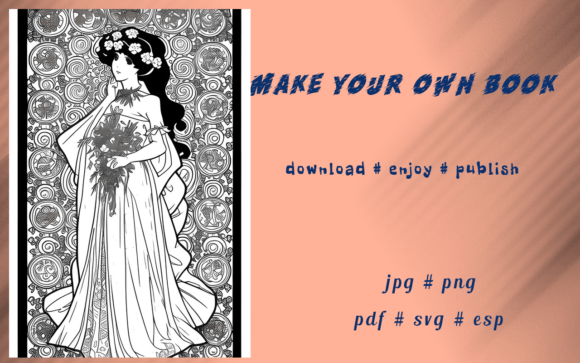
The theme evokes a classic, fairy-tale princess feel—gentle, whimsical, and universally charming. From a design perspective, the layout appears clean with a clear focal point, making it excellent for embroidery where simplicity translates to stitching clarity. The detail level isn't overly intricate, which is a practical advantage; it means fewer tiny satin stitch corners that can get tricky on textured fabrics.
Its visual personality leans toward giftable and nostalgic. This isn't a trendy, edgy graphic. It feels timeless, which is perfect for products meant to last, like a custom embroidered pillow cover or a cherished holiday gift for a little one.
Where This Design Shines in Real Embroidery Projects
Let's walk through a real scenario. Imagine you’re preparing a custom tote bag for a boutique. You want something eye-catching but not overwhelming. This princess design, stitched with a nice fill stitch for the main shapes and a crisp satin stitch for outlines, would create a beautiful, handmade presentation. It would elevate the bag’s value instantly.
That’s the power here. The design naturally belongs to a range of projects: personalized baby clothes, classic aprons, elegant pillow covers, even simple caps with a smaller, adapted version. For small business merchandise, like items in an Etsy shop, this graphic provides a strong, recognizable asset that can become part of your brand’s signature line—think “princess-themed nursery decor.”
It works beautifully for digital product sellers, too. With the provided formats, you can create clean printable mockups for your listings, showing potential buyers exactly how the finished embroidery could look. This builds customer trust and engagement.
Careful Applications and Considerations
Like any good designer, I also think about where a design should be used carefully. For this princess graphic, pay attention to scale. On very small hoop sizes, some of the softer details might get lost. On thin or stretchy fabric, like certain t-shirts, you’d need a robust stabilizer to handle any fill stitch areas.
Dark fabric backgrounds require thoughtful thread color contrast—test those colors on scrap fabric first. Curved surfaces, like caps, demand a layout check to ensure the design flows well with the curve. While the design isn’t overly dense, always inspect small details before committing to a client project or commercial embroidery run.
For products needing frequent washing, such as kitchen towels or baby items, ensure your stitch density is balanced to prevent puckering and maintain the design’s integrity over time.
Practical Notes for Your Embroidery Workflow
Here are my hands-on notes for using this coloring pages “princes” embroidery file. Always, always test on scrap fabric first. This gives you a feel for the thread colors, the stitch flow, and whether any tiny areas need adjustment.
Check the design in both light and dark fabric mockups, even simple black and white previews, to judge its visual strength. The fact you receive multiple file formats means you can modify it, but that also means you must confirm the specifics for your machine. Don’t assume hoop size or stitch count; verify compatibility with your equipment.
A critical step: confirm the licensing before selling finished items or digital products. The description mentions you can modify it, but clarity on commercial use is essential for your craft business or Etsy seller operations.
The Impact on Your Creative Output
Ultimately, how does this design affect your work? It boosts professionalism by providing a clean, adaptable starting point. It enhances giftability because the theme is inherently sweet and personal. For a handmade shop owner, using a well-executed version of this on a sweatshirt or an embroidered patch adds a layer of quality that buyers notice.
It encourages brand consistency if you build a line around similar themes. And for the hobbyist or maker, it’s a joyful project that likely results in a finished product you’re proud to give or display.
A Final, Realistic Assessment
As a designer reviewing assets for real use, I see the coloring pages “princes” graphic as a solid, versatile choice. It’s not the most complex design out there, but that’s its strength. It offers a clear path from digital file to stitched product on a tote bag, baby blanket, or boutique apron.
Its mood is consistent, its application wide, and the provided formats are a practical boon for modification. My advice is to embrace its charming simplicity, apply the standard embroidery best practices—stabilizer, testing, color checking—and you’ll likely create a product that delights both you and your customer.