A Versatile Iris Illustration for Elegant Graphic Design
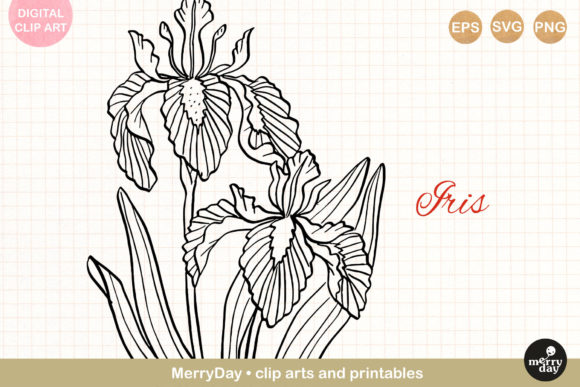
Opening the file for Iris Flower Line Art Drawing, the first impression is one of delicate authority. This isn't a overly fussy botanical study; it’s a graphic element with a confident, flowing line. The style leans towards ornamental elegance, capturing the iris's distinctive form with a balance of detail and simplicity. It immediately suggests projects with a need for natural sophistication—think boutique brands, artisan product lines, or seasonal campaigns aiming for a touch of refined beauty rather than loud, generic cheer.
The Emotional Palette: Where This Iris Graphic Creates Mood
This illustration carries a quiet, almost poetic mood. It evokes craftsmanship, garden-inspired serenity, and thoughtful celebration. For a client project, this translates into visual trust and emotional appeal. I’d instinctively pair this with a client like a small business specializing in handmade ceramics, organic skincare, a floral-themed wedding planner, or a local cafe launching a spring menu. It wouldn’t fit a stark tech startup, but for markets valuing authenticity and a gentle aesthetic, it becomes a powerful brand element.
Putting the Iris to Work: Real-Project Performance
In practical application, this asset’s versatility is its strength. For logo design, it could serve as a compelling secondary mark or icon for a florist or garden center. In brand identity, it would excel as a repeating pattern on packaging for seed packets, candle boxes, or luxury tea labels. Its line art nature makes it ideal for product mockups on mugs, tote bags, and apparel via sublimation or print-on-demand, where clean, scalable art is crucial.
For marketing visuals, imagine it as a hero graphic on a website banner for a Valentine’s day or wedding invitation campaign, or as a consistent decorative thread through a photo album or journal’s editorial design. In social media graphics, it can anchor Pinterest pins or Instagram posts for a craft blogger or Etsy shop, offering a recognizable visual signature. As a printable design, it’s perfect for wall art, scrapbooking elements, or high-quality stationery, where the detail can shine at larger sizes.
Its Best Supporting Roles: Where the Asset Excels
- Large Layout Areas: As a focal point on posters, flyers, or invitation backgrounds.
- Decorative Accents: Subtly repeating in the margins of a menu or event program.
- Themed Collections: Building a cohesive suite of visuals for a seasonal product launch.
- Packaging Details: Embossed or printed as a subtle textural element on boxes or tags.
- Supporting Brand Elements: Used alongside typography to elevate a simple blog header or digital ad.
Considerations for Careful Application
This is not a blunt instrument. Its effectiveness depends on context. In small sizes—like a tiny favicon—the intricate lines may become muddled. On crowded layouts or complex backgrounds, it risks losing its elegant impact. For minimalist branding requiring ultra-clean hierarchy, it might introduce more detail than desired. While it can add warmth to certain professional materials, it would feel misplaced in stark corporate financial reports.
The Designer’s Practical Checklist Before Client Use
Before committing this Iris Flower Line Art Drawing to a paid project, a few real-world tests are non-negotiable.
- Test in Black and White: How does it hold up in single-color print? The line weight should remain clear.
- Check Contrast: Place it on both light and dark backgrounds in your mockup. Does it maintain visibility without extra outlining?
- Preview at Scale: View it at both a tiny 50px and a large 2000px size. Does it retain its character without breaking down or becoming overly dominant?
- File Format & Editability: If provided as an SVG or vector file, inspect the paths. Are they clean for potential color changes or slight modifications to suit the brand?
- Typography Pairing: Mock it up with a serif font for classic harmony, a clean sans-serif for modern contrast, and a script font to assess potential clash or synergy.
- Commercial License Verification: Absolutely confirm the license permits use in client work, for merchandise, and in print-on-demand applications. Never assume.
Final Impression: A Polished Element for Curated Brands
In conclusion, this graphic design asset isn’t just another clipart. It’s a specific tool. When matched with the right client project—a handmade business needing visual cohesion, a marketer crafting a gentle campaign, or a content creator building a themed digital product—it elevates the work. It provides a ready-made element of natural elegance that can shortcut the design process while ensuring a polished, professional result. For designers servicing niches that value beauty and detail, this iris illustration is a thoughtfully crafted piece worth having in the commercial design toolkit.