A Designer's Review of Fairy Graphics for Adult Coloring Pages
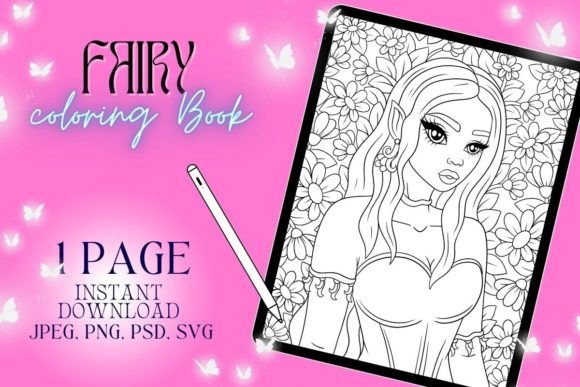
Opening a folder titled Fairy Coloring Pages for Adults, my first impression isn't just of individual illustrations, but of a complete visual atmosphere. The line art here feels less like generic clipart and more like a curated collection of delicate, whimsical narratives. Each page carries a distinct, almost nostalgic, sense of magic and intricate detail. This asset clearly represents a hand-drawn, storybook style, leaning toward fantasy and gentle enchantment. It doesn’t scream "corporate"; instead, it whispers "specialty," "artisan," and "celebratory." My mind immediately jumps to client projects for boutique product lines, a handmade Etsy shop specializing in fantasy-themed goods, a seasonal campaign for a local fairy-tale-inspired event, or the branding for a small business in the wellness or creative crafts space.
The Whimsical Mood as a Design Foundation
When I assess a graphic design asset for real client work, I’m looking for its ability to establish a mood that supports the project's core message. The fairy illustrations here create an immediate sense of wonder and intricate beauty. This isn't aggressive or loud; it’s inviting and detailed. For a client launching a line of herbal teas or handmade candles, these graphics could form the backbone of the visual identity, lending an organic, magical feel to product labels and packaging design. For a content creator or blogger focusing on mindfulness or creative escape, these pages could become central blog visuals or Pinterest pins, setting a serene, imaginative tone that engages a specific audience.
Where Fairy Graphics Perform Best in Client Projects
In practical application, this asset shines in areas where its intricate detail can be appreciated and where the fantasy theme aligns perfectly.
- Large Layout Areas & Hero Graphics: As a full-page backdrop for a website banner or a poster for a fairy-tale festival, the detail becomes a feature, not a flaw.
- Product Mockups & Printable Designs: For print-on-demand sellers or crafters, these are ideal for sublimation designs on mugs, tote bags, or as printable wall art. The line art is perfect for coloring, making it a dual-purpose asset for a creative marketplace product.
- Decorative Accents & Packaging Details: Individual fairy elements can be extracted to adorn product labels, invitations, or packaging design, adding a layer of custom, handmade business charm without overwhelming the primary information.
- Themed Collections & Campaign Visuals: The range from "adorable animals to intricate mandalas" mentioned in the collection description means a designer can build a cohesive, multi-piece campaign for a client—social media graphics, digital ads, and editorial design all sharing a unified magical aesthetic.
- Cricut Projects & Sticker Design: As SVG files (if included), these would be excellent for precise cutting, creating intricate stickers or merchandise decals that retain their fine line quality.
Designer Caution: Navigating the Intricacy
Every powerful design asset has its constraints. The ornate nature of Fairy Coloring Pages for Adults means it requires thoughtful application to maintain professional polish.
- Small Sizes & Crowded Layouts: When scaled down for a small logo detail or crammed into a busy flyer, the fine lines can become visually noisy, breaking down and harming readability. It risks looking cluttered rather than elegant.
- Complex Backgrounds & Low-Contrast Designs: Placing these detailed illustrations over a patterned or textured background will destroy visual hierarchy. They need clean, simple spaces to breathe.
- Minimalist Branding & Professional Corporate Materials: This asset is a stylistic commitment. It’s inherently unsuitable for a law firm's annual report or a tech startup's minimalist web design. The emotional appeal is specific.
The key is to let the asset be a supporting brand element or a focal point, never a busy filler. It affects brand consistency by strongly defining the brand's personality—if that personality is magical and detailed, it's perfect. If it's sleek and modern, it's a mismatch.
Practical Tests Before Client Delivery
Before I would finalize any client concept using this digital product, I run a series of real-world checks. These aren't just about aesthetics; they're about functionality and commercial safety.
- Test in Black and White: How does the illustration hold up without color? This is crucial for print cost considerations and for understanding its core form.
- Check Contrast on Light and Dark Backgrounds: I place it on both white and dark mockups. Do the lines remain clear and legible? Does it maintain its visual trust?
- Preview at Small and Large Sizes: I scale it to a 1-inch icon and a 24-inch poster. Does it fail at small scales? Does it pixelate or remain crisp at large sizes?
- Place it on Real Mockups: I overlay it on a t-shirt design template, a mug, and a website header. Does it integrate well with other elements like typography?
- Test Print Quality: If for printable products, a physical print test is non-negotiable. Do the fine lines print cleanly on home and professional printers?
- Review File Formats & Editability: Are the files provided as editable SVG vectors for Cricut projects and custom color changes, or as PNGs with transparency for easy digital layer use? This defines its flexibility.
- Compare with Font Styles: I pair it with a clean sans-serif font, a delicate script font, and a sturdy serif. Which combination maintains professionalism and supports readability? The ornate graphics often pair best with simple, clear typefaces.
- Confirm Commercial Licensing: The absolute final step: verifying the license allows use for a client's commercial design assets, marketing visuals, and products for sale. No professional designer can skip this.
The Final Impression: A Niche Asset with Powerful Appeal
From a professional design perspective, Fairy Coloring Pages for Adults is a niche but exceptionally useful creative asset. It won't fit every project in my portfolio, but for the right client—one whose brand story involves magic, craftsmanship, detail, or fantasy—it becomes an invaluable tool. It can elevate a visual concept from generic to thematic, providing a ready-made library of illustrations that feel cohesive and specialized. Its success hinges on the designer's skill in application: using it with intention, respecting its intricate nature, and rigorously testing it in the contexts where the final design will live. When matched with the right project, it enhances emotional appeal, drives audience engagement, and delivers a polished, distinct result that feels both professional and personally enchanting.