A Designer's Review of Botanical Flower Line Art
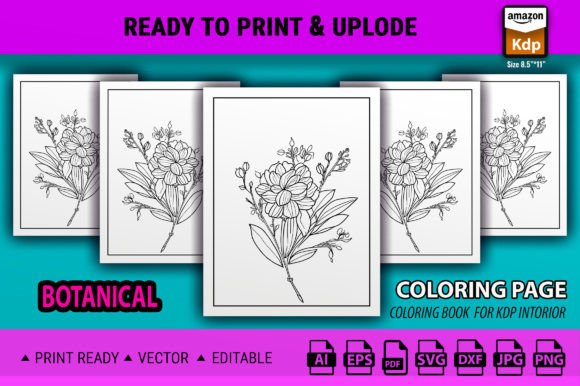
When a new digital design lands in my library, my first question isn’t about the file format. It’s about the real-life project. What will it become after stitching? How will it feel in a customer's hands? Let’s walk through that process with this Botanical Flower Line Art, Coloring Page.
The Immediate Mood: Clean, Versatile, and Calm
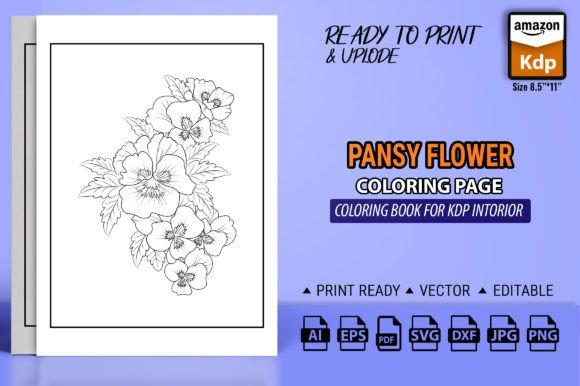
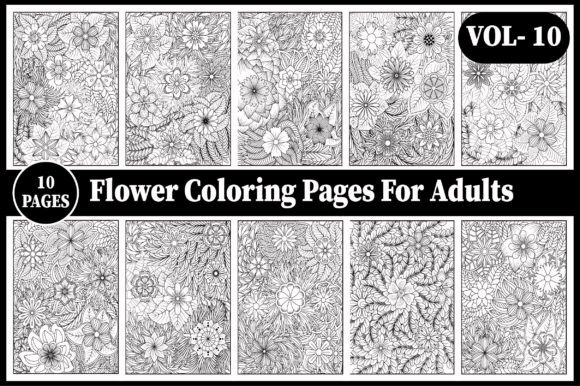
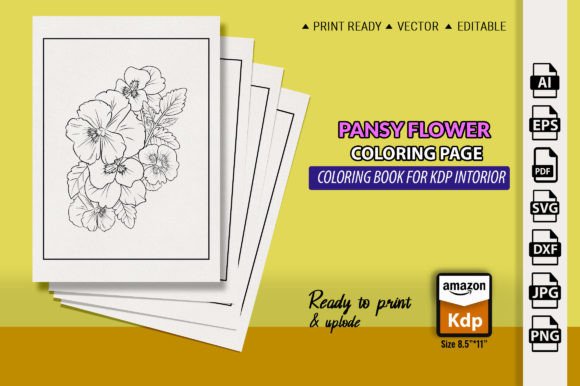
My first impression is one of clarity. This isn't a chaotic, dense floral. It’s a series of clean, open line drawings. The mood it creates is calm and sophisticated—perfect for projects where subtlety beats boldness. The layout, with its individual botanical elements, feels like a collection of building blocks. This is excellent for a designer’s mindset because it gives you control. You can pick one flower for a delicate corner accent or group several for a larger, statement piece.
The visual personality leans towards modern handmade, not vintage rustic. This tells me it would resonate with customers looking for a contemporary, minimalist gift or a boutique product that doesn’t scream “craft fair.” For an embroidery project, this translates beautifully to items like a crisp linen pillow cover, a minimalist tea towel, or the front of a simple cotton tote bag.
Where This Design Excites Me in Practice
Picture this real scenario: a client requests a set of personalized embroidered tote bags as wedding gifts for bridesmaids. They want something elegant, unique, and not overly floral. This Botanical Flower Line Art is immediately on my shortlist. The open lines allow for beautiful interpretation with thread. A single flower, stitched in a fine running stitch or a subtle satin stitch outline, on the corner of a natural canvas bag? That’s a high-value, handmade product with serious giftability.
Beyond tote bags, my mind goes to:
- Custom apparel like a high-quality sweatshirt, where a small, finely-stitched botanical on the sleeve or chest adds a designer touch without overwhelming the garment.
- Baby embroidery on a blanket or a simple cotton romper—the gentle theme fits nursery decor perfectly.
- Embroidered patches for caps or backpacks, where the clean lines ensure recognition even at a smaller scale.
- Kitchen towels and aprons for a small shop aiming for a cohesive, natural brand aesthetic.
- Even as a digital product asset, this design can be used in printable mockups to showcase your embroidery services, adding a layer of professionalism to your Etsy listings or website.
A Note on Commercial Use and Trust
Using a design like this for a craft business affects customer trust. A clean, well-executed embroidery based on a coherent design signals quality. It makes your small shop product feel intentional, not random. That builds brand consistency. However, a critical step here is confirming the licensing. The product description notes it's a digital printable, but I always advise: check the specific terms before selling any finished product or using it in commercial embroidery projects. Never assume.
Where to Proceed with Caution
No design is universally perfect. The beauty of these open lines also presents challenges. On highly textured fabrics like a thick sweater or a nappy blanket, finer details might get lost. On dark fabric, you’ll need to think carefully about thread color contrast—a white or light grey thread might be essential for the design to pop.
I’d be cautious with:
- Very small hoop sizes attempting to capture an entire group of flowers—the detail level might force compromises.
- Stretchy fabric without proper stabilizer, as the lines could distort.
- Products that need frequent washing, like baby clothes; you’d want to test stitch density and thread security on scrap fabric first.
- Curved surfaces like caps—the flat, illustrative nature of the design might need adaptation to fit the curve gracefully.
The key is to treat the embroidery file as a blueprint, not a final command. Your skill in adapting it to the medium is what creates the value.
Practical Designer Notes Before You Stitch
Before I commit any design to a client project or my own handmade product line, I run a few basic tests. For this Botanical Flower Line Art, my checklist would be:
- Test on scrap fabric first. Use the same material you plan for the final product. This reveals how the lines translate to actual stitches.
- Check small details. Are there tiny intersections or corners that might blur or require a jump stitch? Identify them early.
- Review in black and white. Create a simple mockup to see the pure shape without color. This helps judge its strength as a design element.
- Compare light and dark backgrounds. Make two quick test stitches. This informs your thread palette and product application.
- Consider the final product scale. Does the design feel balanced on the item? For a pillow cover, it might be central; for a sweatshirt, it might be a small accent.
These steps aren’t just about avoiding errors; they’re about maximizing the design’s potential. They turn a generic graphics file into a tailored, premium embroidery project.
The Final Stitch: A Design with Clear Potential
The Botanical Flower Line Art, Coloring Page isn’t a flashy, all-purpose design. It’s a specialized tool. Its value lies in its clean, modern lines and its versatility as a set of elements. For the embroidery designer, small business owner, or creative entrepreneur looking to create products with a calm, intentional aesthetic—from personalized gifts to Etsy seller inventory—this design offers a solid foundation.
Remember, the file on your screen is just the start. Your choice of thread, fabric, product, and stitching technique will bring it to life. Approach it with a practical eye, test it thoroughly, and you’ll likely find it becomes a reliable asset in your collection for projects that call for quiet beauty over loud decoration.